
Water Heater Repair
Grant Plumbing sends technicians who assess the full system rather than replacing parts at random. Findings are explained in plain terms so the owner understands what needs attention and what can wait.
Get a quotePlumbing · Sheridan, AR 72150
Grant Plumbing handles Plumbing work across Sheridan and Grant County.
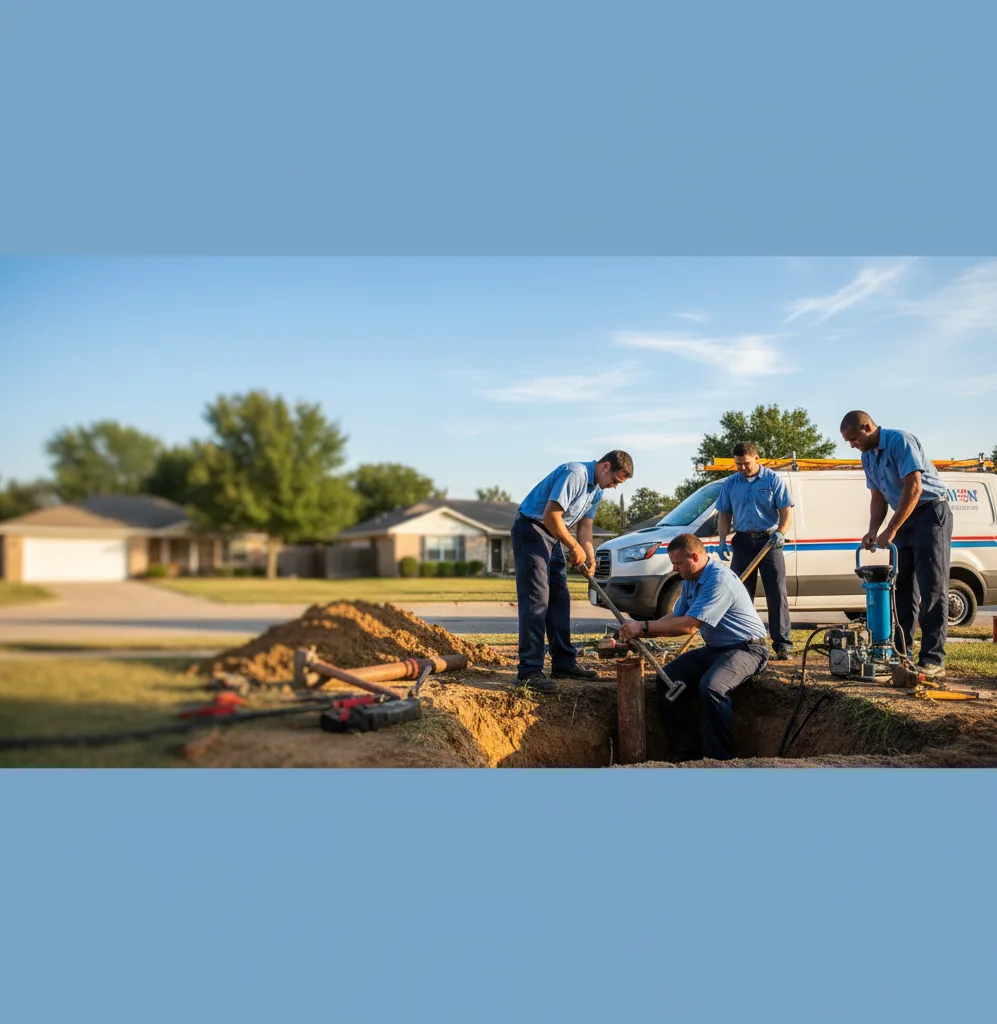
Every technician holds current state licensing and works on both residential and light commercial systems.
Repairs include an inspection of connected piping, valves, and venting rather than only the heater itself.
Homeowners receive a clear written description of recommended work and parts before any replacement begins.
Services
Grant Plumbing sends technicians who assess the full system rather than replacing parts at random. Findings are explained in plain terms so the owner understands what needs attention and what can wait.
Get a quoteGrant Plumbing evaluates the existing setup, household demand, and available utilities before recommending equipment. Installations follow documented steps that cover venting, connections, and final testing for each property.
Get a quoteTechnicians document pipe condition with camera footage before and after clearing. Equipment is selected for the pipe material on site. Debris is removed rather than pushed farther down the line.
Get a quoteTechnicians inspect the line first, then select nozzle size and pressure based on material and diameter. Equipment is carried on the truck so the correct tools are available without a second trip.
Get a quoteGrant Plumbing combines multiple non-invasive technologies during each visit. The sequence of steps is documented so property owners understand every finding before any follow-up work is scheduled.
Get a quoteEach job follows documented procedures that begin with locating the line and recording its condition before any repair decision is made. Materials are selected to match the existing pipe where possible so the repair integrates with the rest of the system.
Get a quoteEvery visit produces a written description of what was found, what was replaced, and what remains in its original condition. The same document lists the materials used so future technicians can identify compatible parts without guesswork.
Get a quoteA water heater that no longer delivers steady hot water often shows other changes first. Rust-colored water, popping or rumbling sounds, and moisture around the base of the tank are common early indicators. In Sheridan many homes have units installed in garages or utility closets where small leaks can go unnoticed until they reach the floor. Checking the temperature and pressure relief valve for signs of seepage can reveal whether the tank is losing integrity. Water temperature that swings between hot and lukewarm during one shower often points to a failing dip tube or heating element. These symptoms point to internal wear rather than a simple thermostat setting.
Sediment buildup from hard water is frequent in this region and reduces heating efficiency over time. Corrosion at the anode rod or around pipe connections can create small leaks that worsen quickly once they start. In older homes the original expansion tank may no longer be functioning, placing extra stress on the heater. Technicians also check for improper venting that allows combustion gases to remain near the unit. Identifying which of these conditions is present helps determine whether repair or full replacement is the better long-term choice.
Why us
Consistent approach to every job no matter the location
We handle plumbing work for homes and businesses in every part of Arkansas. An on-site inspection pins down the exact needs before any pricing is given, and the same technician who does that inspection also completes the work.
The same technician who inspects the property carries out the repairs or installation
Written details of the planned work and costs are provided and approved before any tasks begin
Common replacement parts stay in the service vehicle so they are on hand when needed
Any removed parts remain on site for the property owner to review before disposal

Our process
The process begins with a description of the symptoms, followed by an on-site assessment, then the repair or replacement step, and ends with a review of the results.
The first step is confirming the make, model, and age of the existing unit along with any recent changes in performance. The technician then isolates the water and power or gas supply before opening access panels or draining a portion of the tank. Parts such as thermostats, heating elements, or valves are tested individually rather than replaced on assumption. If the tank itself shows advanced corrosion, the discussion moves to replacement options that meet current energy codes. Throughout the visit the homeowner can ask questions about each finding.
Replacement becomes the recommendation once the tank wall has thinned or when repair parts are no longer available for that model. The new unit is sized to the household’s peak demand rather than matched exactly to the old capacity. Proper placement of seismic strapping and expansion control is verified before the system is returned to service. Homeowners are shown the shutoff locations and the recommended maintenance interval for flushing sediment. When urgent issues arise outside normal hours, emergency plumbing teams can respond quickly.
The soil beneath a home influences how stable the foundation remains over time. Sheridan sits on clay loam. The type of soil under a house decides how much its foundation moves over the years, which can affect pipe connections and drainage layout.
Water quality plays a role in the longevity of pipes and fixtures. The minerals present in a local supply determine how quickly scale forms inside water heaters and on faucet aerators. Weather patterns determine the stress placed on outdoor plumbing lines. Sheridan has hot summers and cold winters, heavy rainfall, and 72 nights below freezing. Freeze depth and temperature swings guide choices for line burial and insulation.
Grant Plumbing handles plumbing work for homes and businesses across Arkansas. Technicians deal with various issues that come up in the state's different buildings and conditions. They take the same careful approach whether the job is routine maintenance or a bigger repair. Years of work throughout the region let us spot how local conditions affect systems over time.
We start each call with a site visit, then explain findings and options in plain terms. Price gets confirmed before any work begins. Procedures stay consistent, built from years of jobs across the state. Scheduling stays efficient so urgent matters get attention without extra delays.
We've worked in enough places to see how seasons, soil types, and building styles shape common plumbing concerns. That experience leads to practical advice for the specific property instead of generic suggestions. Feel free to ask questions anytime — we share details so you can decide what fits.
Elements that guide our work include:
That keeps the quality steady wherever we work in the state.

Pricing
Final cost depends on the age and condition of the equipment, access to the unit, and any parts required. The figures below are starting points only.
Water heater repair — starting at $185 Thermostat or element replacement — starting at $225 Anode rod service — starting at $165 Water heater flush and inspection — starting at $145 Tank replacement (40-50 gallon) — $1,450-$1,850 Tank replacement (tankless conversion) — $2,150-$2,650 Leak repair at connections — starting at $175 Pressure relief valve replacement — starting at $195 Expansion tank installation — starting at $265 Venting correction — starting at $225
Many homes in Sheridan, AR were built before current energy-efficiency standards, so their water heaters often sit in tight closets or on raised platforms that limit access. Technicians adapt tools and replacement units to these constraints without cutting corners on venting or seismic bracing. Rental properties present an added layer because work must be coordinated with both the tenant and the property manager. In these cases the focus stays on restoring hot water quickly while documenting the condition of the equipment for the owner’s records. Seasonal flushing is sometimes scheduled in advance for buildings that have repeated sediment issues.
Clearing a path to the water heater and noting the age of the unit if known helps the technician work efficiently. Turning off the power or gas at the unit itself is not required; the technician will handle isolation when they arrive. If the water has been discolored for several days, saving a sample in a clear container can show whether the issue is rust from the tank or from older galvanized piping elsewhere in the house. These simple steps reduce the time needed to reach a diagnosis.
FAQ

Noise usually comes from sediment that has settled at the bottom of the tank and is being heated repeatedly. The sound can range from popping to rumbling depending on how much material has accumulated. Flushing the tank removes most of the sediment and quiets the unit. In some cases the dip tube has broken and is directing cold water directly onto the heating element, which also creates noise.
The task requires shutting off power or gas, draining the tank, and working with electrical connections or gas fittings. Incorrect reassembly can create leaks or safety hazards. Most homeowners lack the specific tools needed to torque the new element correctly. A licensed technician performs the replacement and tests the unit afterward.
The interval depends on local water hardness and how much hot water the household uses. In areas with moderate hardness, once a year is usually sufficient. Homes with very hard water may benefit from flushing every six months. A technician can check the amount of sediment during the first service call and recommend a schedule based on what is found.
Nearby
Water Heater Repair & Plumber across Sheridan, AR. Call (888) 205-2213.
Call (888) 205-2213